
Best Vehicle Maintenance Checklist for Daily Drivers
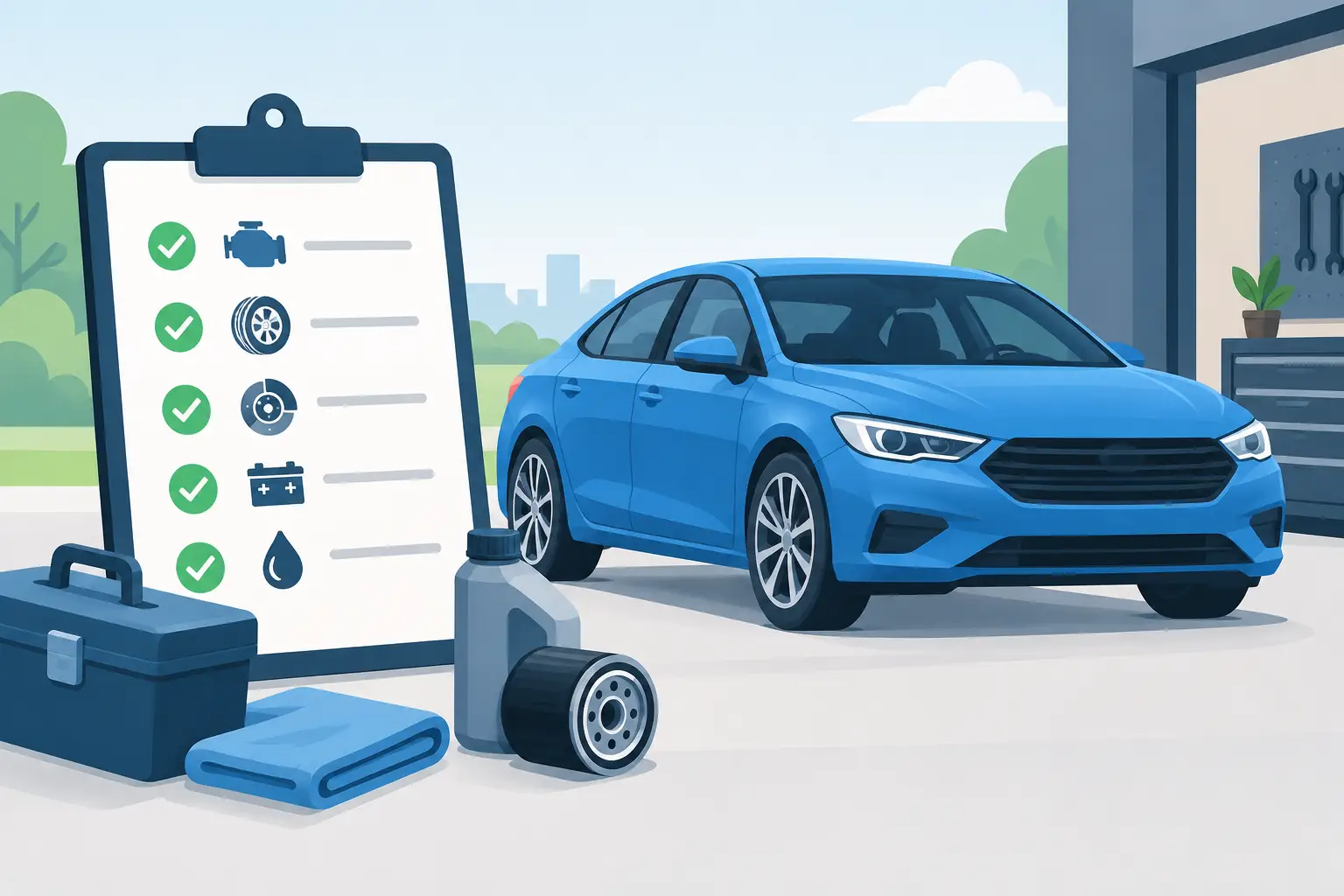
A missed oil change rarely feels urgent on a busy week. Neither does a tire that is slowly losing pressure or a brake pedal that feels a little different than usual. But those small changes are often how preventable repairs begin. The best vehicle maintenance checklist gives daily drivers a practical way to stay ahead of safety concerns, avoid unnecessary breakdowns, and budget for service before a problem gets bigger.
Your owner’s manual remains the final word for your vehicle’s service intervals. A Toyota commuter, an older Audi, and a domestic pickup may all need different maintenance at different mileage points. Still, the routine below covers the essentials that apply to most vehicles, especially those handling stop-and-go traffic, wet roads, short trips, and changing temperatures.
The Best Vehicle Maintenance Checklist by Timing
Maintenance works best when it is tied to habits you can actually keep. Some checks take two minutes in your driveway. Others need qualified technicians, the right equipment, and a closer look beneath the vehicle.
Every week or before a longer drive
Start with your tires. Look for a visibly low tire, sidewall damage, nails or screws, and uneven tread wear. Check tire pressure when the tires are cold, using the pressure listed on the driver’s door jamb rather than the maximum number molded into the tire sidewall. Proper inflation helps handling, braking, tire life, and fuel economy.
Take a quick walk around the vehicle as well. Check that headlights, brake lights, turn signals, and license plate lights are working. Look under the car for fresh fluid spots. Clear water under the vehicle after running the air conditioner is normal, but colored, oily, or sweet-smelling fluid deserves attention.
Inside the cabin, notice what has changed. A new warning light, a rough start, a vibration at speed, a pulling sensation while braking, or an unusual sound is worth documenting. You do not need to diagnose it yourself. A clear description of when it happens gives a technician a better starting point.
Every month
Check engine oil according to your vehicle’s instructions, particularly if your car is older, has high mileage, or has ever used oil between services. Park on level ground, allow the engine to sit as directed in the manual, and check both the level and appearance. Oil that is low needs attention, but repeatedly low oil is the more important issue because it may point to a leak or internal engine concern.
Check windshield washer fluid and inspect your wiper blades. In rainy conditions, worn blades are more than an annoyance. Streaking, skipping, or torn rubber can reduce visibility when you need it most. Also test the horn, heater, defroster, and air conditioning before the season makes those systems essential.
This is also a good time to look at the battery terminals. Corrosion around the connections, a loose hold-down bracket, slow cranking, or dimming interior lights can signal a battery or charging-system issue. Batteries can fail with little warning, especially after several years of use.
At each oil service
Oil changes are a convenient checkpoint, not simply a fluid replacement. The correct oil type and interval depend on the vehicle, driving conditions, engine design, and manufacturer requirements. Short trips, extended idling, heavy traffic, towing, and frequent cold starts can be harder on oil than highway driving.
At this visit, ask for a visual inspection of the brakes, tires, steering and suspension components, fluid levels, belts, hoses, and visible leaks. A shop should be able to explain what is urgent, what can be monitored, and what may need planning for in the future. That distinction matters. Not every recommendation needs to be completed on the same day, but safety-related concerns should not be delayed.
Tire rotation is commonly performed around the same interval, although the right schedule depends on your tire type and drivetrain. Rotating tires helps wear stay more even. If the tires are wearing unevenly, rotation alone will not fix the cause. The vehicle may need an alignment, suspension inspection, or tire-pressure correction.
Service Items to Track by Mileage and Age
Mileage is helpful, but time matters too. Brake fluid, coolant, tires, belts, batteries, and rubber hoses can age even when a vehicle is not driven very far. Keep service receipts or a simple note on your phone with the date, mileage, and work completed.
Brakes and brake fluid
Have brake pads, rotors, calipers, and brake lines inspected regularly. Squealing does not always mean the brakes are unsafe, and silent brakes are not automatically healthy. What matters is remaining pad material, rotor condition, proper caliper movement, and the feel of the brake pedal.
Do not ignore grinding, a soft pedal, a brake warning light, steering-wheel shake while braking, or a vehicle that pulls to one side. These symptoms may require prompt service. Brake fluid also absorbs moisture over time, which can reduce performance and contribute to internal corrosion. Follow the manufacturer interval rather than replacing it simply because a generic schedule says so.
Fluids, filters, and cooling system care
Engine coolant protects against overheating, freezing, and corrosion. The correct coolant formulation matters, so avoid mixing products unless they are confirmed compatible with your vehicle. If the temperature gauge rises above normal, the heater suddenly blows cold, or you smell coolant, pull over safely and arrange an inspection. Continuing to drive an overheating engine can turn a manageable cooling-system repair into major engine damage.
Transmission fluid, differential fluid, transfer-case fluid, and power-steering fluid are not all treated the same way. Some vehicles have serviceable fluid intervals, while others require evaluation based on the manufacturer schedule and operating conditions. A qualified technician can help determine whether fluid service is appropriate without relying on one-size-fits-all advice.
Cabin air filters affect airflow through the heating and air-conditioning system. Engine air filters help protect the engine from debris. Both are relatively straightforward maintenance items, but replacement should be based on condition and service interval, not pressure to add work to an invoice.
Tires, alignment, and suspension
Tires are the only part of the vehicle that meets the road, so they deserve more attention than a quick glance. Measure tread depth, inspect for cracks and bulges, and watch for uneven wear across the tread. Replace tires when they no longer provide dependable wet-weather grip, not only when they become visibly bald.
An alignment is not a routine item needed at every oil change. It is appropriate when the vehicle pulls, the steering wheel sits off-center, tires wear unevenly, or the vehicle has hit a significant pothole or curb. Worn shocks, struts, bushings, or ball joints can also affect handling and tire wear. A proper inspection helps identify the cause before replacing parts.
Belts, spark plugs, and timing components
Some maintenance items have longer intervals but higher consequences if ignored. Spark plugs may last many thousands of miles, but worn plugs can lead to rough running, reduced fuel economy, and misfires. Drive belts should be checked for cracking, fraying, glazing, and tension issues.
If your vehicle uses a timing belt, follow the replacement interval closely. A failed timing belt can cause significant engine damage in many engines. A timing chain is different and does not usually have a fixed replacement interval, but rattling at startup, engine timing faults, or poor performance should be checked rather than dismissed.
What Drivers Should Not Put Off
A maintenance checklist is useful only if it helps you recognize when to book service now. Stop driving and seek help promptly if you see an oil-pressure warning, overheating warning, flashing check-engine light, brake warning light, smoke, a strong fuel smell, or a major loss of steering or braking control.
Other issues may not require an emergency stop, but they should be scheduled soon: repeated battery trouble, fluid leaks, clunking over bumps, vibrations at highway speed, a check-engine light that stays on, or water entering the cabin. Water leaks can lead to mold, electrical problems, and interior damage if they are left unresolved.
Make Maintenance Fit Your Actual Driving
The right maintenance plan is not the longest list of services. It is a record of what your specific vehicle needs, when it needs it, and why. For drivers in South Vancouver, Burnaby, Richmond, and nearby communities, wet-weather visibility, tire condition, braking performance, and battery health are especially practical priorities.
At G&S Auto Care, qualified technicians can inspect your vehicle, explain findings in plain language, and help you separate immediate repairs from services that can be planned. Honest maintenance should leave you with clear information and control over the decision.
Put a reminder on your calendar for a monthly walk-around and keep your service records together. That small habit makes it easier to catch changes early, ask better questions, and keep your vehicle ready for the trips that matter.